
Position:Home >
Bleomycin-induced pulmonary fibrosis model via intraperitoneal injection
Bleomycin-induced pulmonary fibrosis model via intraperitoneal injection
Background
Pulmonary fibrosis (PF) is a disease characterized by diffuse alveolitis and alveolar structural disorders, which ultimately leads to pulmonary interstitial fibrosis. Fibrosis is characterized by the aggregation of a large number of fibroblasts, deposition of extracellular matrix, accompanied by inflammation and injury, resulting in structural damage of lung tissue and poor prognosis. The pathogenesis of pulmonary fibrosis is still unclear, with high mortality, and there is currently a lack of effective therapeutic drugs.
Establishing a successful pulmonary fibrosis mouse model is an important guarantee for studying its pathogenesis and developing new drugs. Bleomycin (BLM), a chemotherapeutic drug, is the most important and widely used inducer in animal models of pulmonary fibrosis, which can stably induce pulmonary fibrosis and is the gold standard for constructing pulmonary fibrosis models.
Materials and methods
C57BL/6J male,6 weeks old,weight 22−24 g
Modeling method: Intraperitoneal injection of bleomycin, twice a week for total 3 weeks. Evaluation indicators: Masson staining, viscera index, tissue ELISA
Modeling method: Intraperitoneal injection of bleomycin, twice a week for total 3 weeks. Evaluation indicators: Masson staining, viscera index, tissue ELISA
Test and verify
BLM IP-induced lung fibrosis model
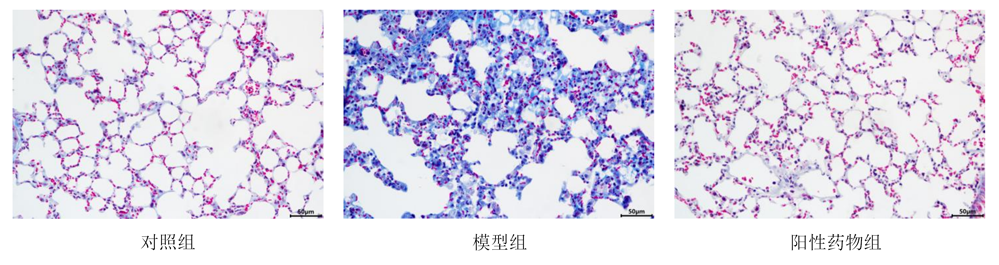
Masson staining of lung tissue
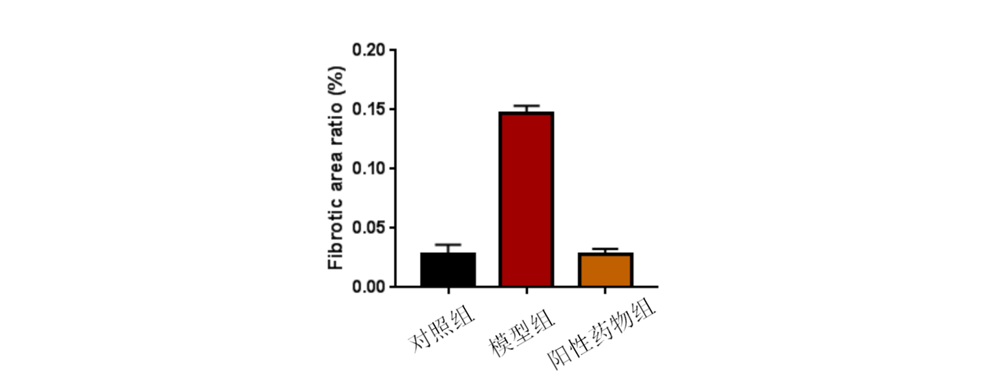
Pulmonary fibrosis area
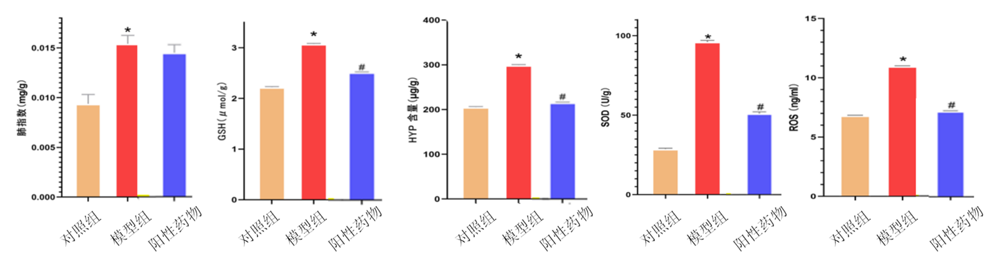
Lung index and lung tissue ELISA detection