
Position:Home >
LPS nebulization inhalation–induced acute lung injury model
LPS nebulization inhalation–induced acute lung injury model
Background
Acute lung injury (ALI) that progresses to acute respiratory distress syndrome (ARDS) is a life-threatening critical illness characterized by increased pulmonary permeability and respiratory distress, triggered by severe infection, trauma, or shock.
It presents as acute progressive dyspnea and refractory hypoxemia caused by severe non-cardiogenic insults, with a mortality rate as high as 30%. Critically ill patients with COVID-19 often develop ARDS. Therefore, exploring novel drugs and therapeutic targets is of great importance for the early prevention and treatment of ALI.
LPS is the primary pathogenic factor of ALI. Inflammatory effector cells in the lung, such as neutrophils and mononuclear macrophages, mediate increased pulmonary microvascular permeability and pulmonary edema, which further lead to acute respiratory failure — this constitutes the pathological basis of acute lung injury.
Materials and methods
Animals: Female BALB/C mice, 8 weeks old
Model establishment: Acute lung injury model induced by LPS solution nebulization inhalation
Positive drug: Methylprednisolone tablets
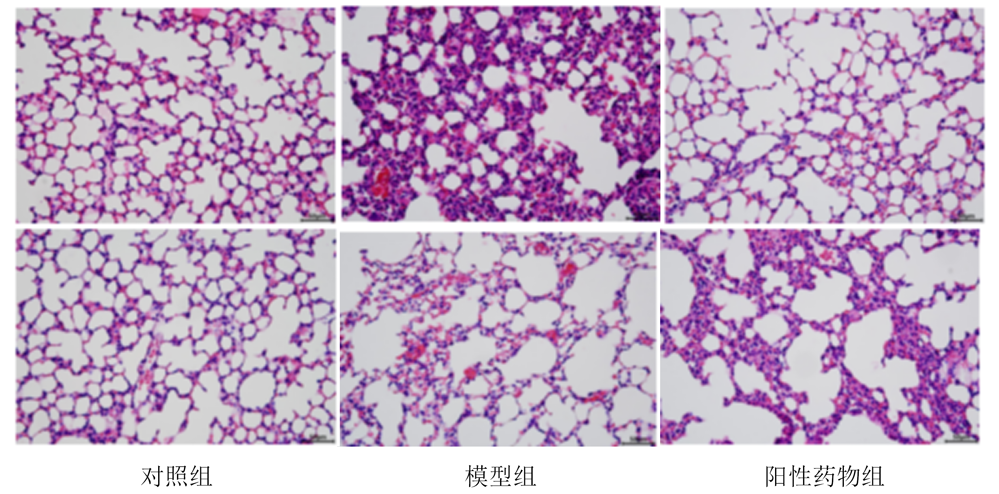
Evaluation indexes: ELISA, H&E staining
Model establishment: Acute lung injury model induced by LPS solution nebulization inhalation
Positive drug: Methylprednisolone tablets
Evaluation indexes: ELISA, H&E staining
Test and verify
Bronchoalveolar Lavage Fluid ELISA

Lung tissue H&E staining