
Position:Home >
Small intestinal ischemia-reperfusion (I/R) model
Small intestinal ischemia-reperfusion (I/R) model
Background
Intestinal ischemia-reperfusion injury (IRI) refers to ischemic damage to the small intestine caused by insufficient effective blood circulation under various pathological conditions.
When ischemia is relieved and effective perfusion is restored, the small intestine undergoes further reperfusion injury.
Studies have shown that the severity of reperfusion injury far exceeds that of ischemic injury.
It can be induced by small bowel obstruction, strangulated hernia, necrotizing enterocolitis, mesenteric artery embolism, small bowel transplantation, severe abdominal trauma, and various types of shock.
Due to difficulties in diagnosis and treatment, it is associated with a high mortality rate.
Materials and methods
- **Animals**: Male SD rats, weighing 250–300 g
- **Model establishment**: The superior mesenteric artery was clamped for a period of ischemia, then released to establish a small intestinal ischemia-reperfusion model.
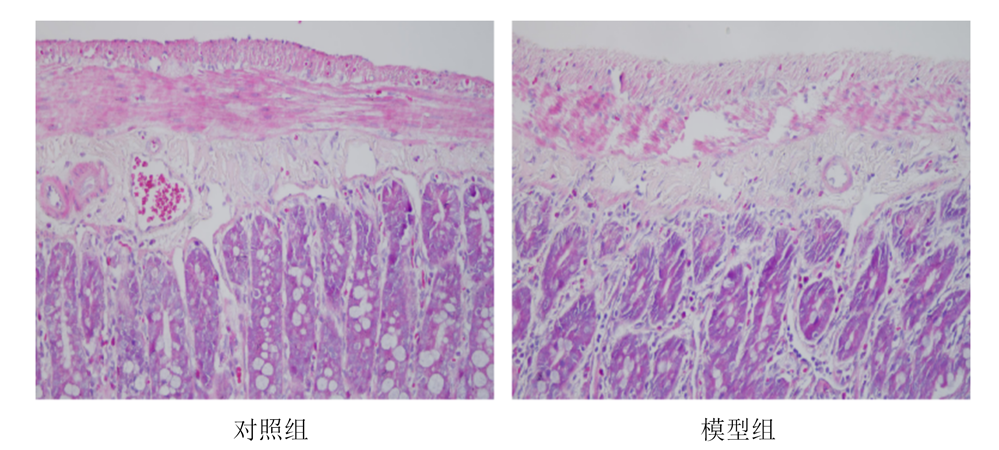
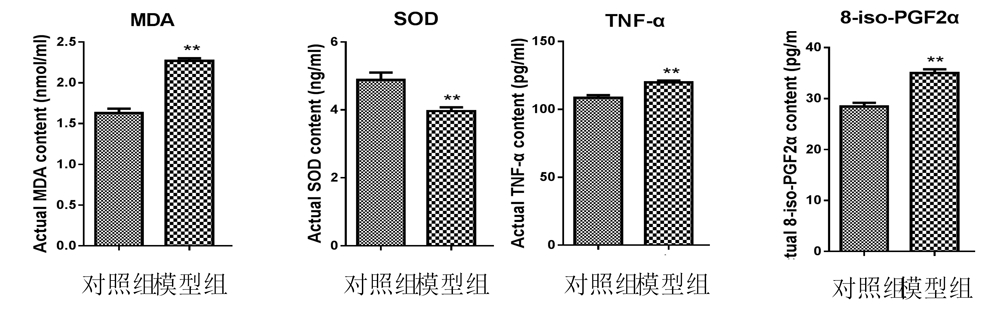
- **Evaluation indexes**: ELISA assay, HE staining
- **Model establishment**: The superior mesenteric artery was clamped for a period of ischemia, then released to establish a small intestinal ischemia-reperfusion model.
- **Evaluation indexes**: ELISA assay, HE staining
Test and verify
ELISA assay
Small intestinal tissue HE staining