

Position:Home >
Non-alcoholic fatty liver disease model induced by high-fat diet combined with carbon tetrachloride (CCl₄)
Non-alcoholic fatty liver disease model induced by high-fat diet combined with carbon tetrachloride (CCl₄)
Background
Carbon tetrachloride is one of the earliest and most widely used chemicals for establishing animal models of liver cirrhosis.
Repeated administration of low-concentration carbon tetrachloride causes liver damage, and the cycle of liver injury–repair–injury eventually leads to cirrhosis.
A high-fat diet combined with carbon tetrachloride can rapidly induce chronic non-alcoholic steatohepatitis.
Materials and methods
- **Animals**: SD rats (half male, half female), 200–250 g
- **Model establishment**: Rats were fed a high-fat diet for 4 weeks. Starting from the 3rd week, 40% carbon tetrachloride in soybean oil was subcutaneously injected twice a week to establish a non-alcoholic fatty liver disease model.
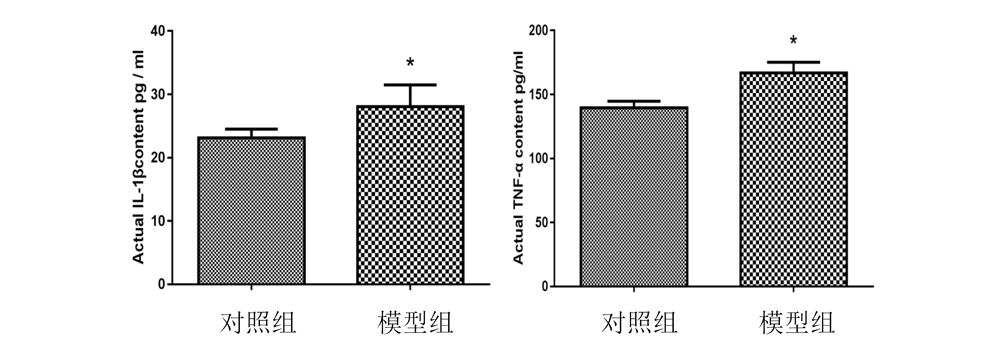
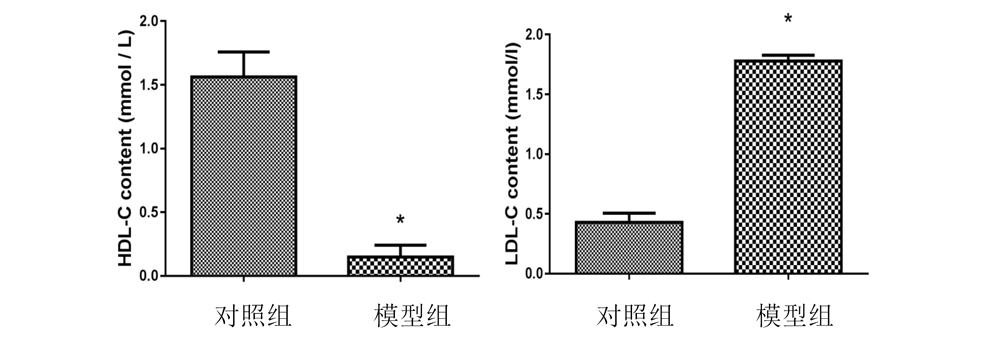
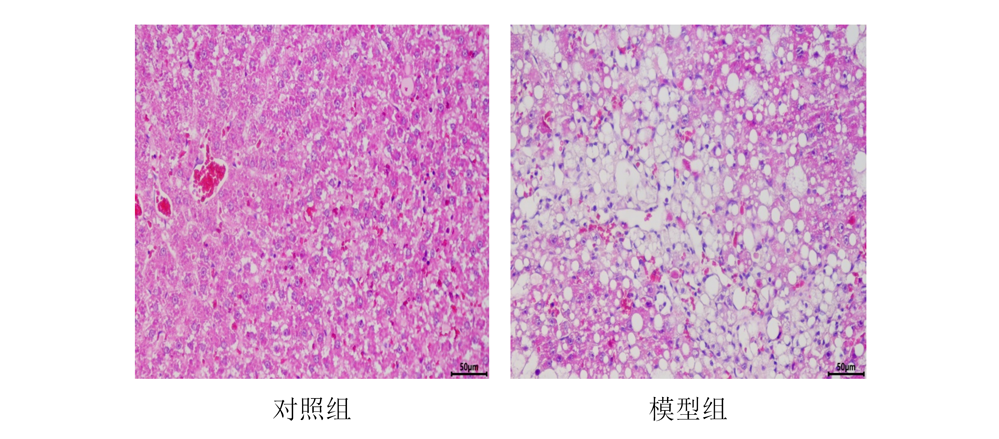
- **Evaluation indexes**: Gross observation, serum ELISA, serum biochemical assay, HE staining, Oil Red O staining
- **Model establishment**: Rats were fed a high-fat diet for 4 weeks. Starting from the 3rd week, 40% carbon tetrachloride in soybean oil was subcutaneously injected twice a week to establish a non-alcoholic fatty liver disease model.
- **Evaluation indexes**: Gross observation, serum ELISA, serum biochemical assay, HE staining, Oil Red O staining
Test and verify
Gross observation of liver tissue

Serum ELISA
Serum biochemical analysis
Liver tissue HE staining
Liver tissue Oil Red O staining


