Position:Home >
Murine model of autoimmune myocarditis induced by porcine cardiac myosin
Murine model of autoimmune myocarditis induced by porcine cardiac myosin
Background
Myocarditis is a common clinical disease characterized by cardiomyocyte necrosis, fibrosis, and inflammatory cell infiltration in myocardial tissue. The etiology of myocarditis can be divided into infectious and non-infectious types, among which viral myocarditis caused by coxsackievirus group B and echovirus infection is the most common in clinical practice.
At present, in China, we commonly immunize susceptible mice with purified porcine cardiac myosin to induce an experimental autoimmune myocarditis model, which simulates the disease progression of viral myocarditis in its persistent or chronic stage.
Materials and methods
BALB/c mice (male, 6–8 weeks old)
Modeling method: Porcine cardiac myosin was mixed with complete Freund’s adjuvant to form an emulsion and administered subcutaneously. The model was successfully established 21 days after the initial injection.
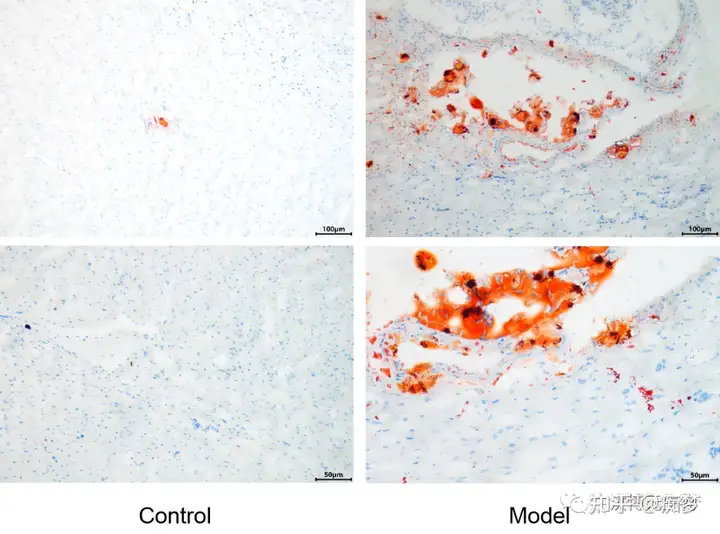
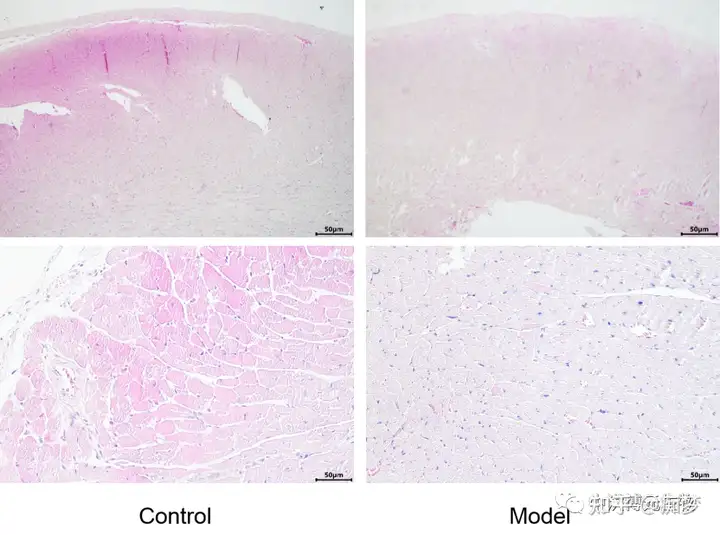
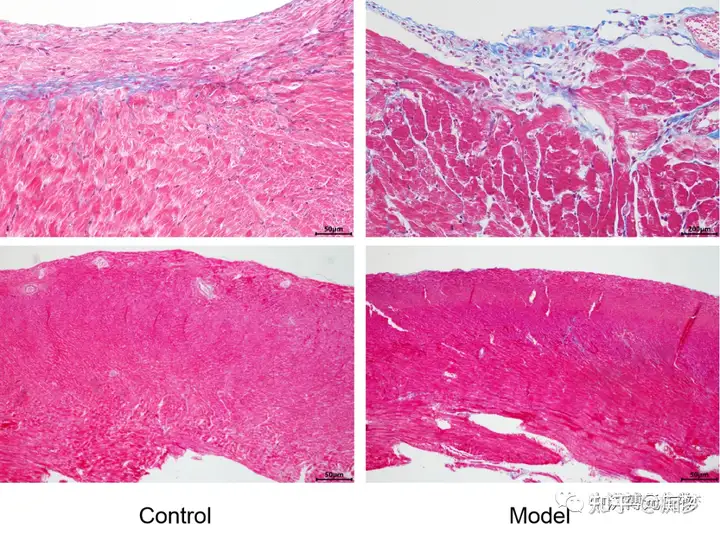
Evaluation indicators: gross observation, HE staining, Masson staining, Oil Red O staining
Modeling method: Porcine cardiac myosin was mixed with complete Freund’s adjuvant to form an emulsion and administered subcutaneously. The model was successfully established 21 days after the initial injection.
Evaluation indicators: gross observation, HE staining, Masson staining, Oil Red O staining
Test and verify
Gross observation

HE staining of myocardial tissue
Masson staining of myocardial tissue
Oil Red O staining of myocardial tissue